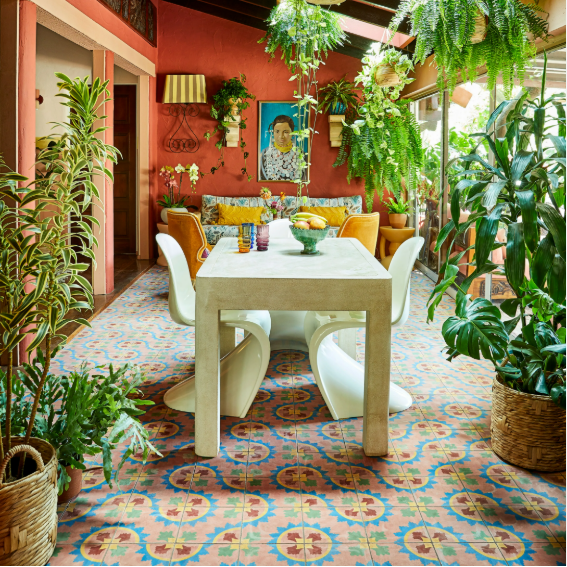
Design affects how we live, work, and interact with the world. It influences emotions, functionality, and communication. Whether it is interior design transforming living spaces or website design shaping digital experiences, design is the art of combining creativity and strategy to create something both beautiful and practical.
This complete guide explores interior design concepts, core design principles, and modern website design trends. By understanding how interior design, design thinking, and website design connect, you can create impactful physical and digital environments.
Design: The Foundation of Creativity
At its core, design is about planning and organizing elements to achieve a specific goal. Good design is not only about appearance but also about usability and effectiveness.
Key principles such as alignment, balance, contrast, and hierarchy apply to both interior design and website design.
- Interior design focuses on comfort, functionality, and aesthetics within physical spaces.
- Website design focuses on usability, visual appeal, and smooth digital interaction.
Successful design always begins with understanding the user. In interior design, this means analyzing how people use a space. In website design, it means studying user behavior and preferences.
Interior Design: Transforming Spaces with Purpose
Interior design is both an art and a science aimed at improving the interior of a space to make it healthier and more visually appealing. It includes selecting furniture, color palettes, lighting, textures, and layouts to create harmony.
Modern interior design trends emphasize:
- Minimalism
- Sustainability
- Multifunctional spaces
- Natural light and materials
- Neutral color schemes
Personalization plays a major role in interior design. Each project reflects the client’s personality and lifestyle needs. Whether designing homes, offices, or commercial spaces, the goal is always to balance beauty and functionality.
Core Principles of Interior Design
Professional interior design relies on several essential principles:
Balance – Even distribution of visual weight in a room.
Harmony – Ensuring all elements work well together.
Contrast – Adding variety through color, texture, or shape.
Scale and Proportion – Selecting furniture and décor that fit the space properly.
Functionality – Making sure the space serves its intended purpose effectively.
Applying these principles ensures that interior design enhances both visual appeal and everyday comfort.
Popular Interior Design Styles
Interior design offers a variety of styles to suit different preferences:
Modern Interior Design – Clean lines, minimal décor, neutral tones.
Contemporary Interior Design – Trend-focused with bold accents.
Industrial Interior Design – Exposed brick, metal finishes, open layouts.
Scandinavian Interior Design – Light colors, natural wood, simplicity.
Traditional Interior Design – Classic furniture, rich textures, elegant details.
Each interior design style emphasizes different design elements while maintaining balance and visual harmony.
The Role of Design Thinking
Design thinking is a problem-solving approach used in both interior design and website design. It involves empathy, creativity, prototyping, and testing.
In interior design, design thinking ensures spaces meet client needs effectively.
In website design, it guarantees user-friendly navigation and seamless digital experiences.
Design thinking encourages innovation by focusing on real-world challenges and developing practical, creative solutions.
Website Design: Building Powerful Digital Experiences
Website design involves creating the structure, layout, and visual identity of a digital platform. It combines graphic design, user experience (UX), and technical development.
Modern website design focuses on:
- Responsive layouts
- Fast loading speeds
- Mobile-first optimization
- Clear navigation
- Strong branding consistency
With increasing mobile usage, website design must adapt to multiple devices and screen sizes. A well-designed website builds credibility and attracts users.
Key Elements of Effective Website Design
A successful website design includes:
Layout – Logical arrangement of content and visual elements.
Typography – Clear and readable fonts.
Color Scheme – Consistent and engaging color choices.
User Interface (UI) – Functional interactive elements like buttons and forms.
User Experience (UX) – Smooth navigation and overall usability.
Simplicity is crucial in website design. Overcrowded pages confuse users, while clear calls-to-action improve engagement.
Similarities Between Interior Design and Website Design
Although they operate in different environments, interior design and website design share common foundations:
- Both prioritize user experience.
- Both rely on balance and visual hierarchy.
- Both require understanding client objectives.
- Both combine creativity with functionality.
Interior design enhances physical comfort, while website design improves digital interaction. Thoughtful design in both areas leads to satisfaction and efficiency.
Current Trends in Design
Design trends continue to evolve.
In interior design:
- Sustainable materials
- Energy-efficient lighting
- Biophilic elements (plants and natural textures)
In website design:
- Dark mode interfaces
- Micro-interactions
- Speed optimization
- Minimalist layouts
Modern design values clarity, authenticity, and purpose across both physical and digital spaces.
The Importance of Branding in Design
Branding plays a vital role in both interior design and website design.
For businesses, office or store interior design reflects brand identity.
In website design, visuals and content communicate a company’s values.
Consistent use of colors, typography, and layout strengthens brand recognition and builds trust. Effective design reinforces a brand’s position in the market.
Technology and Design Tools
Technology has transformed both interior design and website design.
Interior design tools:
- 3D visualization software
- Virtual reality walkthroughs
- Augmented reality presentations
Website design tools:
- Wireframing platforms
- Prototyping software
- Content management systems
These technologies streamline workflows and encourage innovation in modern design processes.
Career Opportunities in Design
Design offers diverse career paths.
Interior designers work on residential, commercial, and hospitality projects.
Website designers collaborate with developers and marketers to create digital platforms.
Freelancing opportunities are expanding in both fields, allowing professionals to showcase portfolios and grow creative careers.
Tips for Successful Interior Design
- Start with a clear design vision.
- Use lighting strategically to enhance ambiance.
- Mix textures to add depth and interest.
- Choose furniture that balances comfort and aesthetics.
- Maintain consistency in the interior design theme.
These strategies ensure visually appealing and functional interior spaces.
Tips for Effective Website Design
- Optimize for mobile responsiveness.
- Simplify navigation.
- Use high-quality visuals.
- Ensure fast page loading speeds.
- Keep the user at the center of design decisions.
Following these principles improves website design performance and engagement.
The Future of Design
Innovation and sustainability will shape the future of design.
Interior design will increasingly integrate smart home technology and eco-friendly materials.
Website design will rely more on artificial intelligence and personalized user experiences.
As digital transformation accelerates, website design remains essential for business growth, while interior design continues to enhance quality of life.
Final Thoughts
Interior design, website design, and design thinking are interconnected disciplines shaping both physical and digital environments.
Interior design enhances living spaces.
Website design strengthens online presence.
Core design principles drive creativity and functionality in both areas.
Design is not just about aesthetics—it is about creating meaningful experiences. Whether designing a home or a digital platform, applying thoughtful interior design and website design principles ensures lasting impact and success in a constantly evolving world.